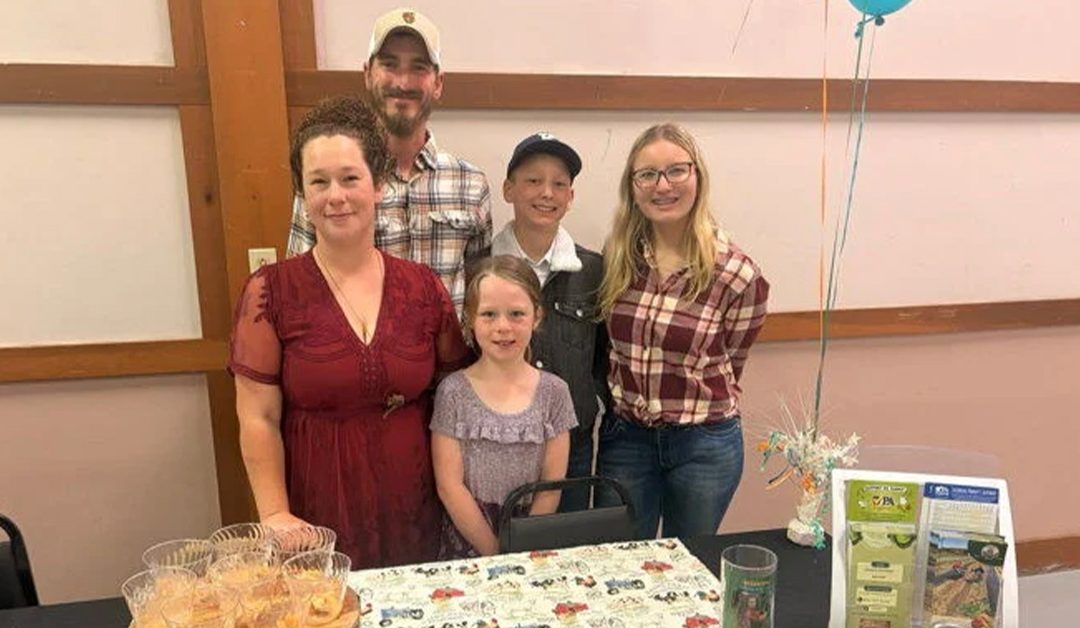
LENHARTSVILLE, Pa. — Lauren and Brian Kehl welcome people to their 5-acre farmette, Heritage Homestead to learn sustainable farming practices ... all while managing their own animal and produce operation.
“We’re trying to do things a little more traditionally, before things got commercialized,” Lauren said.
They rent an additional 15 acres and raise fresh beef, pork, chickens, ducks, goats, rabbits and produce.
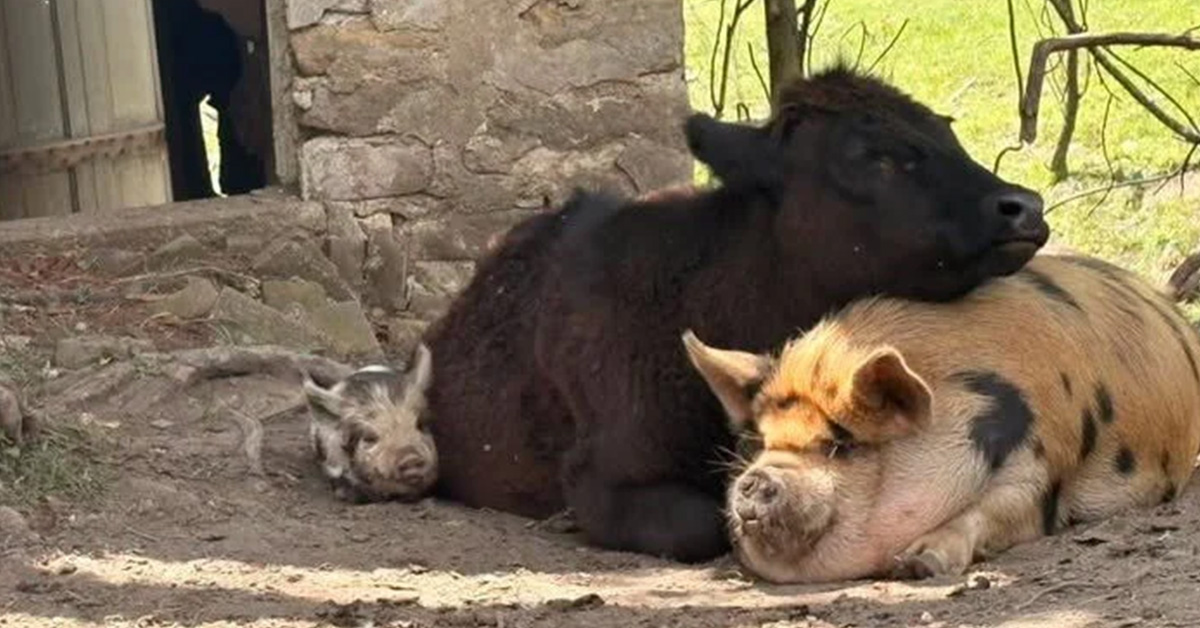
“We raise KuneKune pigs, a heritage breed from New Zealand. They do really well on the pasture,” she said. “Same with cows. We raise Dexter, another heritage breed that’s grass-fed, grass-finished.”
The pigs’ diet is about 90% pasture, rounded out with locally processed, non-GMO grain. All animals are used for butchering and breeding.
The free-range chickens produce eggs and meat, but the Kehls also sell hatching eggs and even rent an egg hatching starter kit with a brooder, incubator, feed and bedding.
They use no herbicides or pesticides on their produce, just organic fertilizer. Brian grows root vegetables: garlic, potatoes, onions and carrots. Lauren raises things like lettuce, cabbage, peas, cucumbers and tomatoes to make into sauerkraut, pickles and other preserves.
“I try to focus on things I can utilize,” she said. “I make a lot of canned products like tomato sauce, so I grow Roma tomatoes, garlic, basil, pretty much what we’ll be using to make the sauce.”
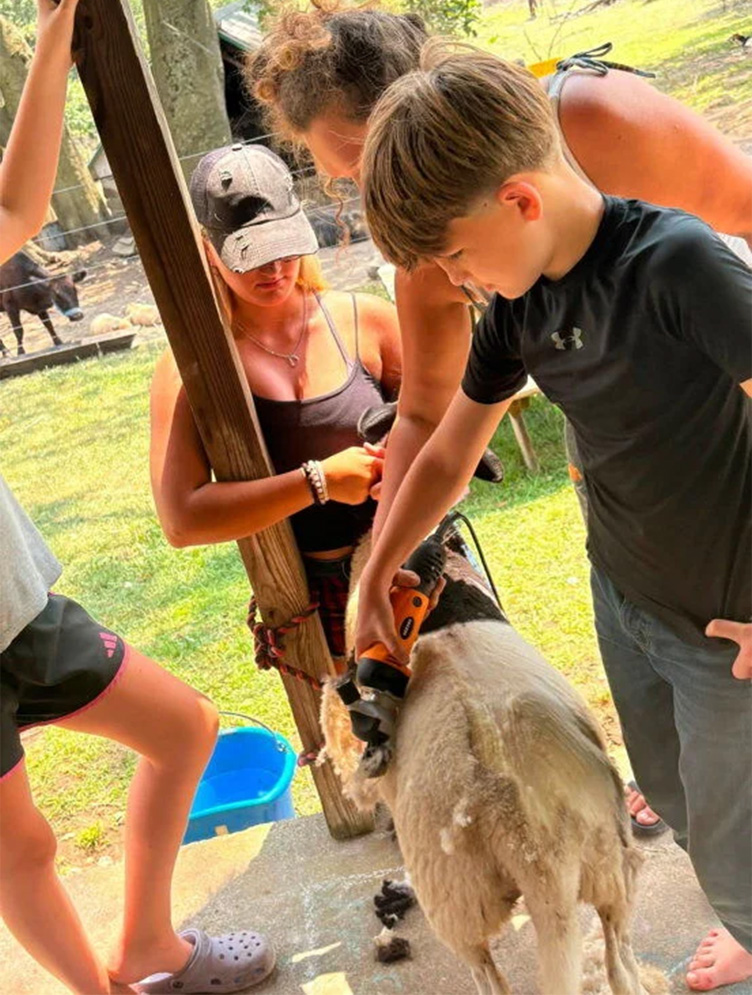
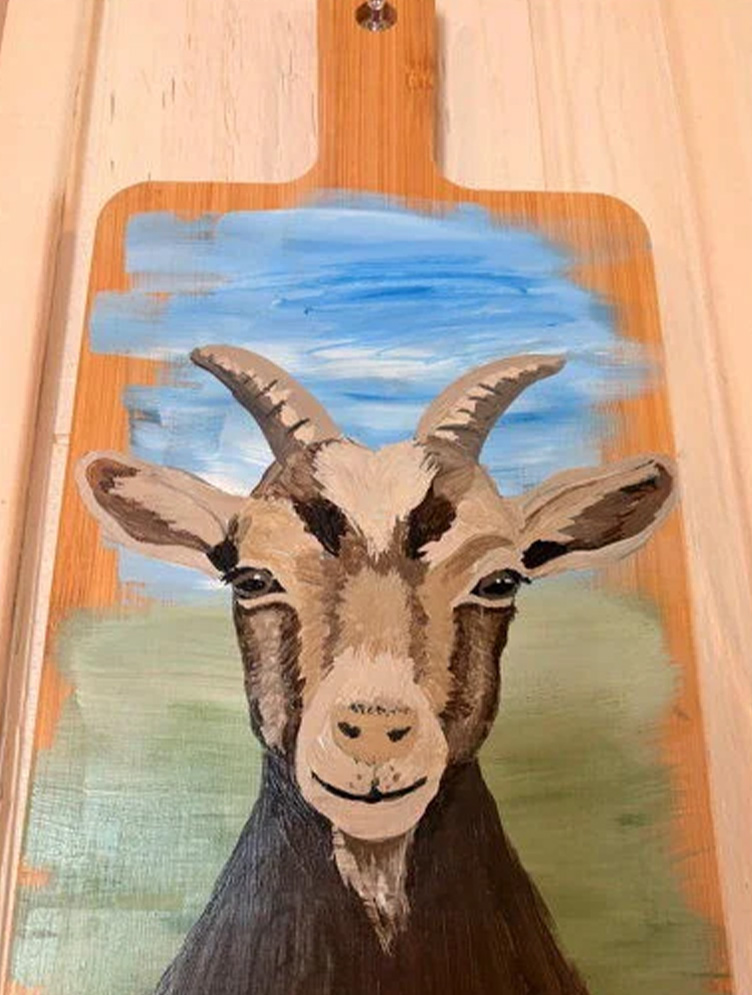
The Kehls share their farm in creative ways, combining a petting zoo with events like a sip-and-paint, an apiary workshop, safe practices for milking goats or demonstrations on making butter, farmhouse cheese or yogurt.
“We really try to involve ourselves in agritourism and do community outreach,” Lauren said. “We do farm tours where people can interact with all the animals.”
They also host summer day camps, where kids tend to the animals, help with activities like making natural bug spray or tallow lip balm, swimming and fishing at local lakes or starting plants from seeds. The kids are excited later when they can transplant the seeds, either at home or on the farm.
“They love it,” Lauren said. “They don’t want to go home at the end of the day. I had a few kids last year, but this year we’ve been booked almost every single week. It blew up in a big and awesome way.”
Part of the appeal is being so involved. If a child asks about the goats, the next day Lauren might let them try goat milk, with chocolate or strawberry syrup to stir into it. They help place eggs in an incubator then watch the chicks hatch days later. One group even got to see a baby goat being born.
“That was an incredible experience for the kids,” Lauren said with a laugh. “Everybody got to help pick the name. They get to really be a part of it.”
Brian added the children are getting a lot of experiences they don’t get in their home life.
“It’s a real eye-opening experience for them in a very positive way,” he said.
Marketing, Diversity and Community
For most of their marketing, the Kehls rely on social media.
“We’ve tried different avenues, but social media is where everyone is at,” Lauren said. “And we get out in the community, doing events, being at the fairs and just talking to people. It’s amazing sometimes to hear who has heard of us and where they’re from.”
She feels the diversity of their offerings along with multiple income streams makes their business work.
“We didn’t put all our eggs in one basket,” she said. “If you look at people trying to start a dairy operation now, in five years they’re bankrupt. I feel like a lot of the conventional methods aren’t cutting it anymore.”
They add value to their products however they can. With chickens, for example, instead of just selling $3-a-dozen eggs, the hatching eggs can sell for $10 a dozen while chicks sell for three dollars each. At least twice a month, with the incubator rental program, that same dozen eggs can bring in $100.
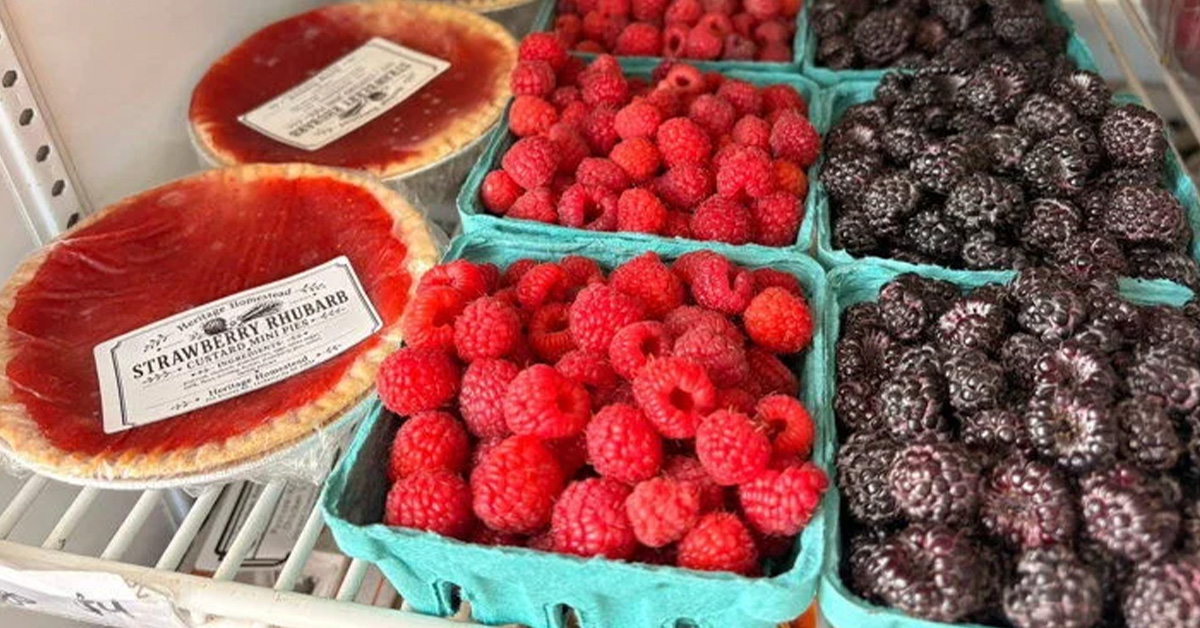
Taking it a step further, Lauren uses the eggs in the baked goods she sells.
“It’s adding value, getting the most you can out of the same product,” she said. “If something doesn’t work, we just keep upbuilding.”
At the Berks County Fair this year Lauren learned her petting zoo was one of four animal attractions. Instead of competing, she connected with another petting zoo owner, charging one price for both attractions, with a learning center in between.
“We very much have strong social ties to other local businesses in our community,” she said. “I feel like, all these factors combined, we really just hit the ground running.”
Brian grew up on a farm and now works full-time on a dairy farm while helping Lauren and their three kids with Heritage Homestead.
“Lauren and I always just had this dream,” he said. “We knew we wanted to be in ag and allow our kids to have this lifestyle.”
Unlike Brian, Lauren had no agricultural experience, but she loved gardening and eventually worked as a milker at a dairy farm.
“The first time I went into the barn, just the smell of the hay and the sounds of the cows, it felt like coming home,” she said.
Acknowledging the difficulty in starting their own dairy, they tried different routes until hitting upon Heritage Homestead. In time they’d like to buy more land and expand.
“This isn’t the end of the road for us by any means,” Lauren said, noting how far they’ve come in less than two years. “I feel like it’s only going to continue to grow and prosper. At least I hope so, knock on wood and God willing.”
For more information, visit heritagehomestead.us.
***
Read Original Article Published on LancasterFarming.com by Cindy O. Herman, Correspondent here.